
02/03/2025
Gatwick Expansion Plans Await Clearance

This week’s key terms/concepts:
• Planning Act: The primary Act of Parliament in the UK that provides the framework for the approval and regulation of major infrastructure projects.
• Development Consent Order: A requirement under the Planning Act to obtain permission for infrastructure developments, typically categorised as ‘nationally significant’.
• Carbon Emission Regulations: The general regulatory measures in place to limit carbon emissions, requiring business and infrastructure projects to meet environmental targets.
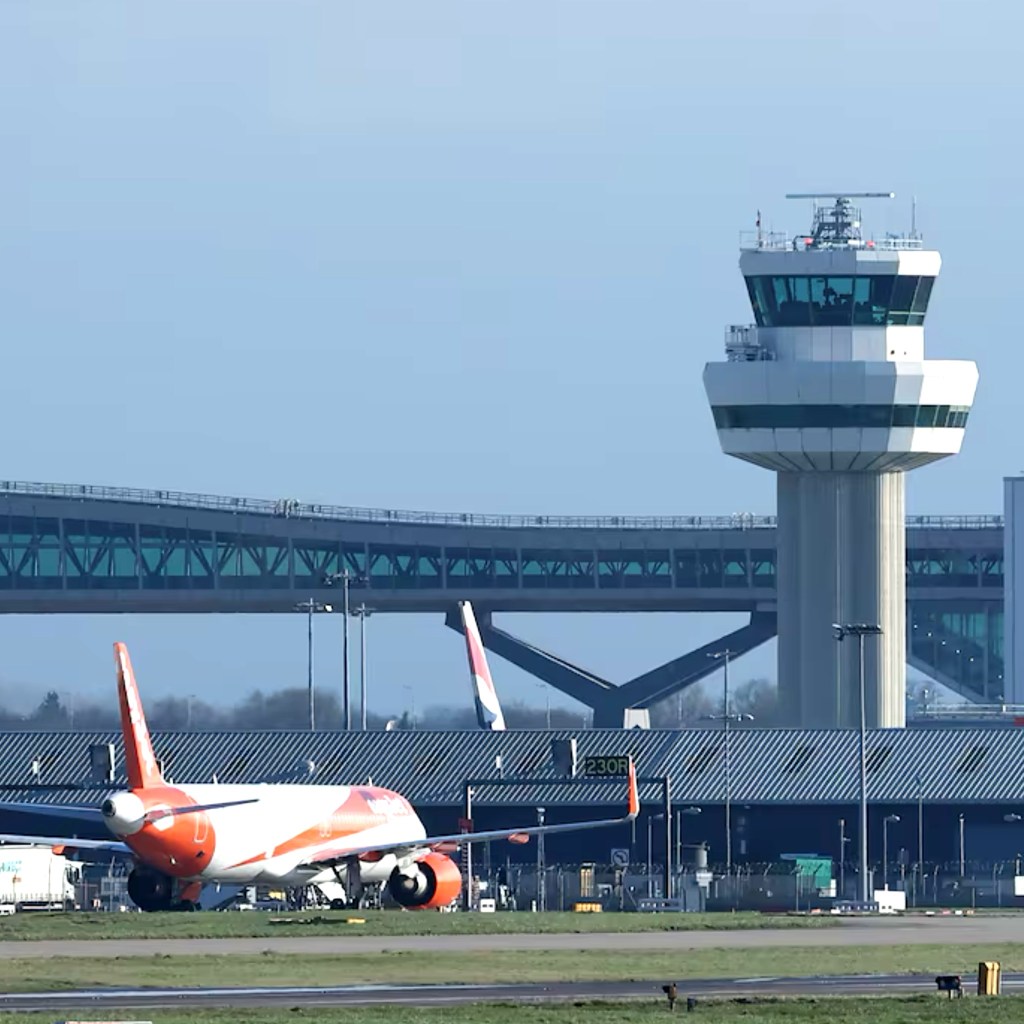
Recently, the UK government has backed proposals surrounding Gatwick Airport’s Northern Runway Project, a £2.2 billion plan to operate a second runway at the Airport. This follows recent developments regarding another London airport in Heathrow, which has also undergone consultations and received government backing surrounding its own development plans of a third runway.
Why is this important?
Gatwick Airport currently operates with an emergency runway not in commercial use, but with managers stating that the Airport’s capacity is full, these proposals plan to redevelop the emergency runway, leading to approximately 100,000 additional flights annually. The UK government aims to boost economic growth with this additional flight capacity, and through Gatwick Airport alone it is estimated that the additional capacity will increase to 75 million passengers total by 2030, roughly 30 million passengers higher than the current Gatwick capacity.
However, whilst Transport Secretary Heidi Alexander issued a ‘minded to approve’ letter on this expansion, there is no guarantee that the proposals will come into fruition. Pressure groups such as Communities Against Gatwick Noise Emissions (CAGNE) and Gatwick Area Conservation Campaign (GACC) have raised concerns about the consequences of noise pollution, as well as climate change issues and a decline in air quality, ahead of claims that these groups will take legal action through judicial review if the expansion is to go ahead. Gatwick Airport has until the 24th of April to respond to these demands and must demonstrate that there are plans to mitigate these climate issues upon expansion.
How does this affect the legal sector?
If Gatwick Airport fails to satisfy demands regarding climate and pollution concerns, law firms will work alongside pressure groups such as CAGNE and GACC to take action in relation to the project’s Development Consent Order, which was originally rejected after failing tests under the Planning Act to mitigate noise impact amongst other criteria.
The proposed expansion development could also have a significant impact on law firms with environmental practice groups, as they are likely to see an increase in demand for regulatory guidance on this project. These firms could be involved in a range of advisory work surrounding environmental protection laws, carbon emission regulations, noise pollution limits and air quality standards. The private investment that will fund the Gatwick expansion may also require advisory work relating to regulatory compliance, finance structuring and risk management.
A revised Development Consent Order has been proposed and provided to the Secretary of State, who will make a final decision on the 27th of October.
 Lex Weekly