
08/03/2026
Sanctions, Shipping and Supply Chains: The Middle East Escalation

This week’s key terms/concepts:
• Economic Sanctions: Government-imposed restrictions such as asset freezes, trade bans or financial limitations designed to pressure states, organisations, or individuals by limiting their access to international markets.
• War-risk Insurance: A form of insurance that protects ships, cargo and infrastructure from losses caused by conflict, terrorism, or geopolitical instability in high-risk regions.
• Supply Chain Disruption: Interruptions to the production or transport of goods caused by geopolitical events, regulatory changes, or conflict, often leading to contractual and commercial disputes.
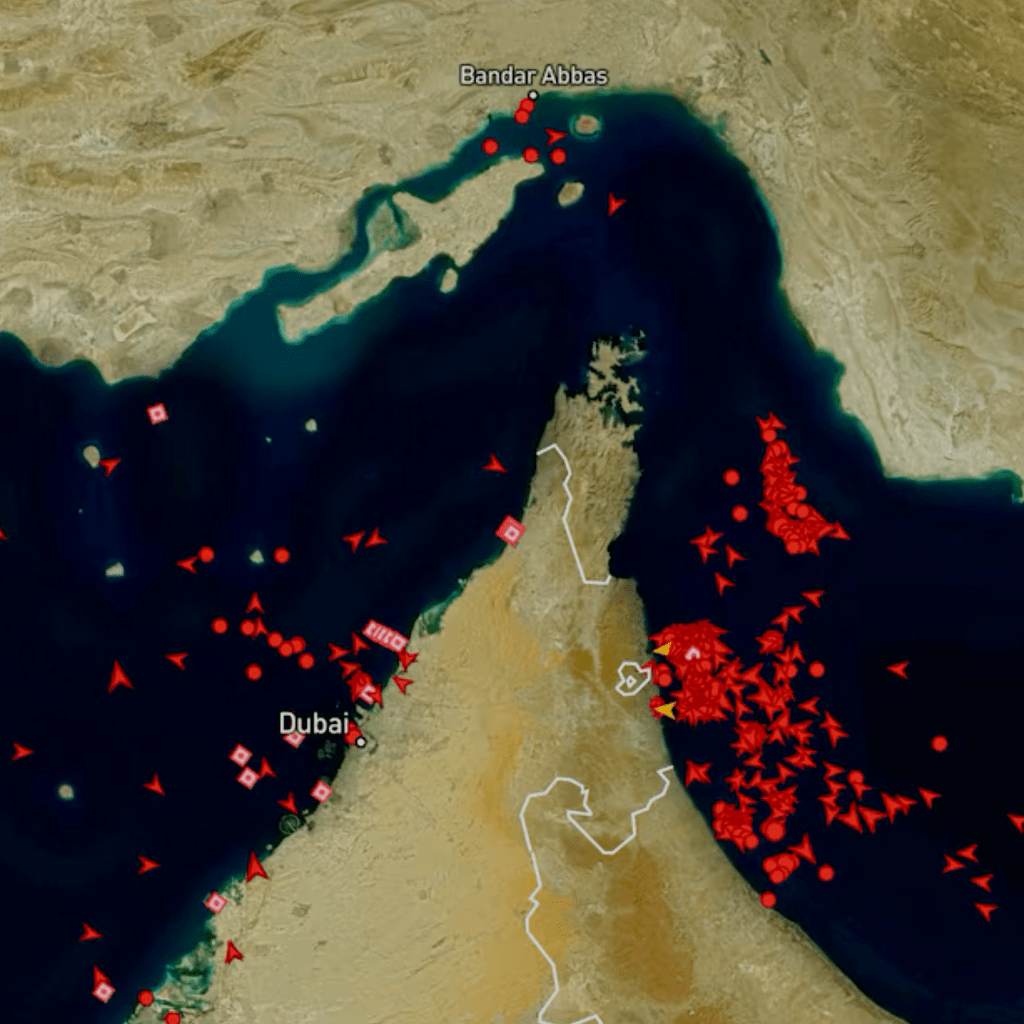
Escalating tensions between Iran, Israel and the United States have drawn renewed global attention to the Middle East and its role in international trade and energy markets. While the geopolitical and humanitarian implications remain at the forefront of public discussion, the situation also carries significant commercial consequences. For businesses operating internationally, conflict in the region can rapidly trigger regulatory changes, sanctions measures and disruptions to key global shipping routes, creating complex legal challenges that require careful navigation.
Why is this significant?
The Middle East remains central to the global energy market, particularly due to the strategic importance of the Strait of Hormuz, through which a significant proportion of the world’s oil supply passes. Any escalation in regional conflict risks disrupting maritime traffic, increasing shipping costs and creating uncertainty for companies reliant on energy imports or exports. As a result, businesses may face volatility in supply chains, rising insurance premiums and delays in international trade.
Another key concern is the potential expansion of economic sanctions. Governments including the United States, the United Kingdom and the European Union frequently respond to geopolitical developments by imposing or strengthening sanctions regimes targeting financial institutions, corporations or individuals linked to a particular state. For multinational companies, these restrictions can create significant compliance challenges, particularly when operating across multiple jurisdictions with differing regulatory requirements.
These developments can also give rise to legal disputes. Companies affected by disrupted trade routes or regulatory restrictions may rely on contractual provisions such as force majeure clauses to manage obligations that can no longer be fulfilled. As tensions continue, disputes relating to shipping delays, supply chain interruptions and insurance claims may increasingly emerge across global markets.
What does this mean for law firms?
For law firms, geopolitical instability often translates into increased demand for specialist advisory work. Firms with strong sanctions and regulatory practices may see growing demand from corporate clients seeking guidance on compliance with rapidly evolving restrictions. Navigating sanctions regimes can be particularly complex for multinational businesses, requiring legal advice across multiple regulatory frameworks.
In addition, firms with expertise in shipping, insurance and international trade may become involved in disputes arising from disrupted supply chains or increased war-risk exposure in the region. Arbitration and commercial litigation may also increase where contractual obligations are challenged by geopolitical developments. As a result, developments in the Middle East highlight how international conflict can quickly generate complex legal issues across multiple areas of commercial law.
 Lex Weekly